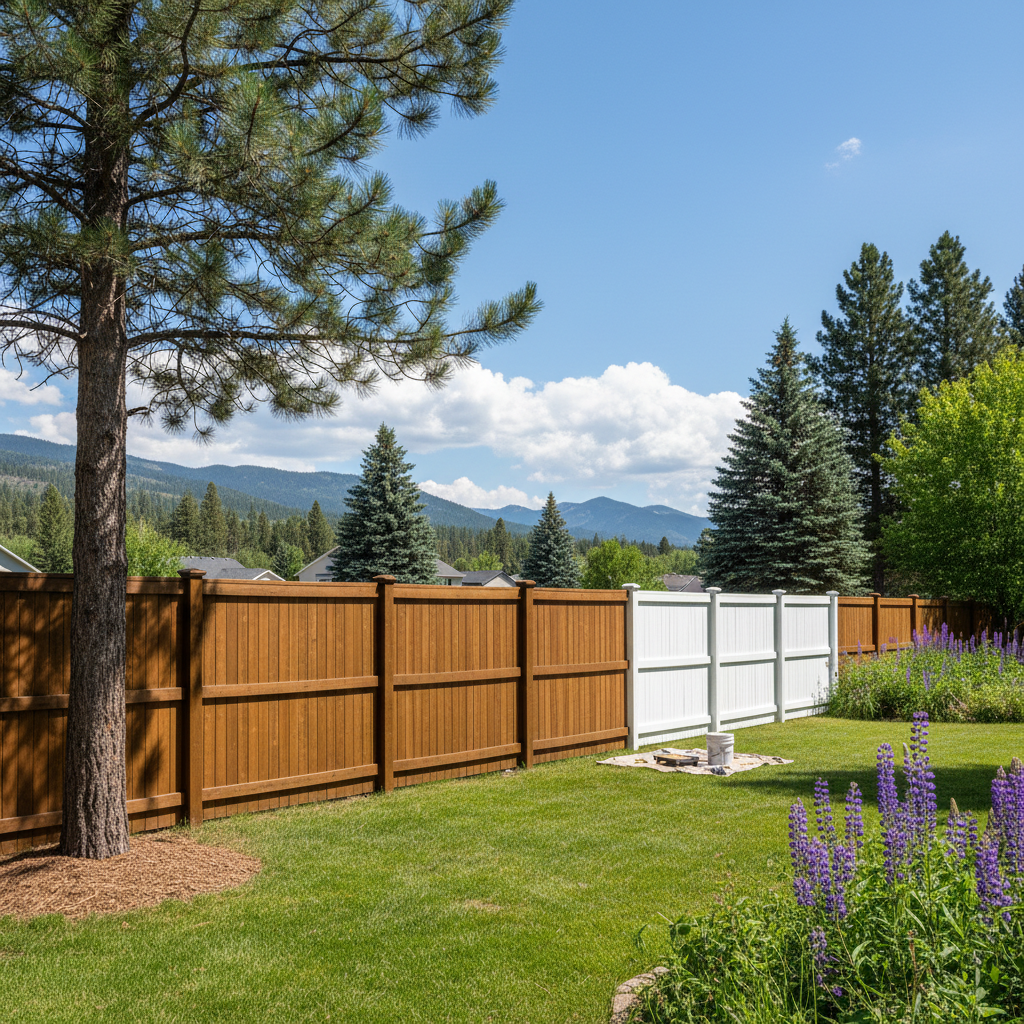
You've got a fence, and, let's be honest, it's seen better days. Maybe it's faded, maybe there's some green stuff clinging to it, or maybe you just want a fresh look. So, naturally, you start thinking about staining or painting it. That's a smart move! A well-maintained fence doesn't just look great; it also lasts longer, protecting your investment. But, I've noticed a lot of folks right here in Missoula tend to make some pretty common blunders when they tackle this job, whether they're doing it themselves or hiring someone. Let's dig into what you should really watch out for.
Mistake #1: Skipping the Prep Work
This is probably the biggest one, truly. It's where most DIYers, and even some less-than-honest contractors, try to cut corners. You simply can't just slap new stain or paint over an old, dirty, or peeling surface and expect it to look good or, more importantly, last. It just won't hold up. The surface absolutely has to be clean, dry, and solid.
So, what does that actually mean? For most fences around here, especially those older cedar or pine ones, it means a good power wash. But hold on — not just *any* power wash. Too much pressure can actually damage the wood, raising the grain and making it look fuzzy, which isn't ideal. You really need to use the right nozzle and technique. After washing, you've got to let it dry completely. And I mean *completely*. In Missoula, with our sometimes damp springs and those cool fall mornings, that can easily take a few days, not just a few hours. If you stain or paint over damp wood, you're essentially trapping moisture, and that's a direct path to peeling, bubbling, and mildew down the road. Nobody wants that!
You also need to deal with any loose paint or stain. Scraping and sanding might be necessary in some spots. And don't forget about mildew or algae. If you spot any green or black, you'll need to treat it with a bleach solution or a specialized cleaner before you even *think* about putting on a new coat. Otherwise, it'll just grow right through your nice new finish.
Mistake #2: Choosing the Wrong Product for the Job (or the Climate)
There are so many stains and paints out there, it can honestly feel overwhelming. But picking the cheapest option or whatever's on sale is a surefire recipe for disappointment. You need to consider a few things:
- Stain vs. Paint: Stain soaks into the wood, letting the grain show through, and usually wears away over time. Paint, on the other hand, sits on top of the wood, giving you a solid color, and typically peels or chips when it fails. Both have their place, but you can't just swap them out.
- Oil-based vs. Water-based: Oil-based stains and paints often penetrate better and offer good protection, but they can be a pain to clean up and take longer to dry. Water-based products are easier to work with and dry faster, but some might not offer the same deep penetration or durability.
- Opacity: Transparent, semi-transparent, semi-solid, solid stain, or paint. The more opaque it is, the more pigment it has, and generally, the more UV protection it offers. But you do lose more of that natural wood look.
For our Missoula climate, with its harsh winters and hot, sunny summers, UV protection is a huge deal. A cheap, transparent stain might look nice for a year, but it won't stand up to the sun beating down on your fence in July or the snow sitting against it in January. I often recommend good quality semi-solid or solid stains for longevity, especially on fences that get a lot of direct sun, like those facing south or west — they really take a beating.
Mistake #3: Hiring the Cheapest Bid Without Asking the Right Questions
Look, I get it, everyone wants a good deal. But when it comes to something like fence staining or painting, the cheapest bid is often cheap for a reason. Here's what you really need to ask and look out for:
- What's their prep process? If they say they'll just spray it down and start staining the next day, that's a huge red flag. They need to talk about proper cleaning, drying time, and addressing any existing issues.
- What products do they use? A reputable contractor will be able to tell you exactly what brand and type of stain or paint they're using, and why they chose it for your fence. If they're vague or just say