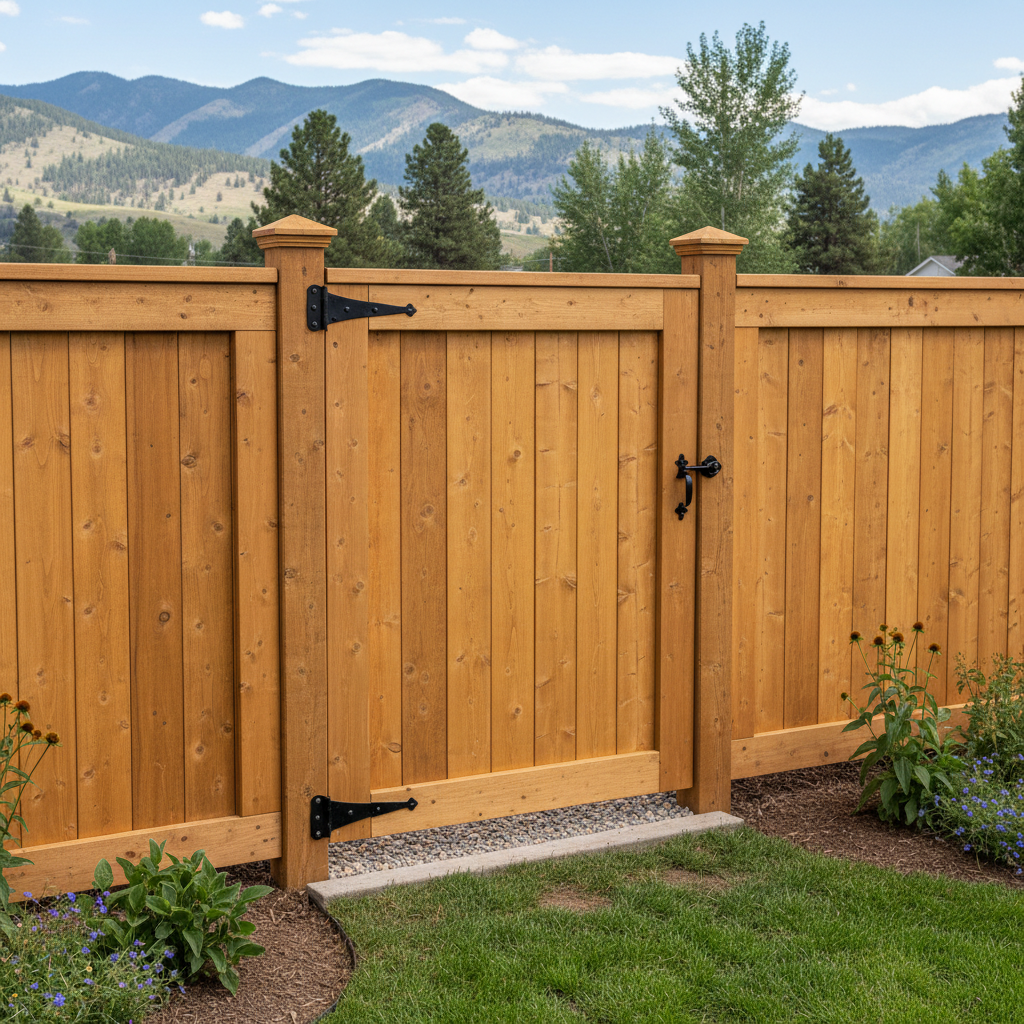
Your gate isn't just a way in or out; it's a moving part of your fence system, and boy, does it take a beating. Whether it's the grand entrance to your property or just a simple backyard access, gates really see a lot of action. Here in Missoula, our seasons throw everything at them – from scorching summer sun to heavy winter snow and those freeze-thaw cycles that truly test materials. If you want your gate to last, you can't just install it and then forget about it. It needs a little love, you know?
Making Your Gate Last Longer
The best way to extend your gate's life starts with a good installation, sure, but after that, it's all about keeping up with it. Think about the materials for a moment. If you've got a wood gate, protecting it from moisture is absolutely critical. That means regular sealing or staining. I'm talking every couple of years, sometimes even more often if it's on the north side of your house and doesn't get much sun to dry out. For metal gates, rust is the big bad enemy. A good powder coat or paint job helps a lot, but you still need to keep an eye out for chips or scratches that expose the bare metal underneath.
Hardware is another huge one. Hinges, latches, rollers – these are the components that actually do the work. Keeping them clean and lubricated stops wear and tear. You wouldn't run your truck without oil, right? It's the same idea. A little spray lubricant on moving parts a couple of times a year can make a world of difference. Oh, and make sure your gate isn't dragging. If it's scraping the ground every time you open it, that's not just annoying; it's grinding away at the bottom of the gate and putting extra stress on the hinges.
Simple Maintenance Checks You Can Do Yourself
You don't need to be a fence expert to handle basic gate maintenance. Here's what I tell folks to look for:
- Visual Inspection: Take a walk around your gate once a month. Look for loose screws, cracked wood, peeling paint, or rust spots. See any signs of pests, especially with wood gates? Termites aren't common here, but carpenter ants or rot can sometimes be an issue.
- Hardware Check: Open and close the gate a few times. Does it swing freely? Is it sagging at all? Do the hinges squeak? Tighten any loose bolts or screws you find. If hinges are squeaking, hit them with a silicone-based lubricant. Don't use WD-40; it's a degreaser, not a long-term lubricant, which surprises a lot of people.
- Cleanliness: Clear away any dirt, leaves, or debris that might be gathering around the gate posts or along the bottom of the gate. This is super important before winter sets in. You really don't want moisture trapped against the wood or metal, encouraging rot or rust.
- Gate Alignment: Check that your gate closes properly and latches securely. If it's not lining up, it might be sagging. Sometimes you can adjust the hinges, but if it's really out of whack, that's when you might need a pro.
In Missoula, those heavy, wet snowfalls can really weigh down a gate or even shift a post. After a big snow, always take a look. Make sure nothing's bent or out of alignment.
Trouble Signs to Watch Out For
Ignoring small issues can quickly lead to big, expensive problems down the road. Here are some red flags:
- Excessive Sagging: A little sag might be fixable, but if your gate is dragging significantly or won't latch anymore, you've got a structural issue on your hands.
- Cracked or Rotted Posts: The posts are the foundation. If they're wobbly, cracked, or showing signs of rot at the ground line (especially common in our clay soils if drainage isn't good), your gate's integrity is compromised.
- Stuck or Grinding Hardware: If your hinges are seizing up or the latch mechanism is grinding, it's past simple lubrication. You might have bent components or severe corrosion.
- Gate Not Closing Securely: A gate that won't close or latch properly isn't just an inconvenience; it's a security risk. Please, don't put off fixing this.
- Visible Rust or Deep Cracks: For metal gates, extensive rust that's flaking off tells you the protective coating has failed. For wood, deep cracks can mean water penetration and potential rot.
When to Call a Professional
Look, I'm a big believer in doing what you can yourself, but there are times when you just need to bring in the experts. If you're seeing any of those major warning signs, or if you just don't feel comfortable tackling a repair, it's time to call someone like us at Missoula Fencing Company. Here are a few specific scenarios:
- Post Replacement: If a gate post is rotted or broken, that's definitely a job for a pro. It involves digging, concrete, and getting everything perfectly plumb.
- Major Alignment Issues: If your gate is severely out of square and you can't fix it with simple hinge adjustments, there might be a problem with the gate frame itself or the way it was originally installed.
- Broken Welds or Structural Damage: For metal gates, if you have broken welds or bent frame components, that requires specialized tools and expertise to repair correctly.
- Automated Gate Malfunctions: If you have an automatic gate opener, and it's not working right, please don't mess with the electrical components unless you truly know what you're doing. Call a technician.
Keeping your gate in good shape isn't rocket science, but it does take a little attention. A few minutes of maintenance here and there can save you a lot of headache and money down the road. Stay on top of it, and your gate will serve you well for years to come.