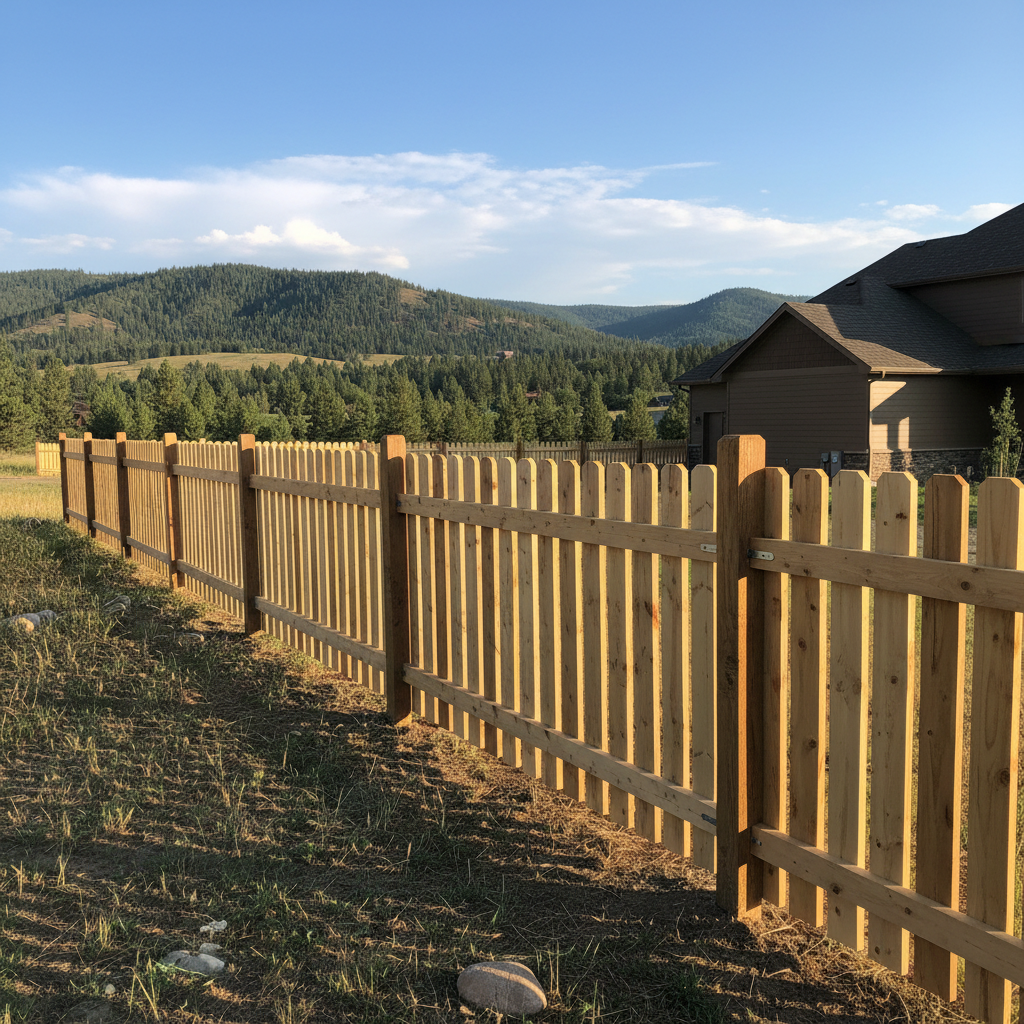
You've got a fence up, and that's great. Whether it's a brand-new installation or one that's been around for a while, you want it to last. Out here in Missoula, our fences take a beating. We get those harsh winters with heavy snow loads, then the freeze-thaw cycles in spring, and hot, dry summers. All that weather works against your fence, so regular maintenance isn't just a good idea; it's essential if you want to avoid major headaches and costly repairs down the road.
Extending Your Fence's Lifespan: Proactive Steps
The best repair is the one you don't have to make. A little preventative care goes a long way. For wood fences, especially, you're looking at protecting against moisture and UV damage. Staining or sealing your wood fence every few years is crucial. I usually tell folks to plan on doing it every 2-3 years, depending on the product you use and how much sun exposure your fence gets. Pick a good quality stain that offers UV protection and water repellency. Don't cheap out here; it's worth the extra few bucks for a product that'll actually do its job.
For vinyl or metal fences, the main thing is keeping them clean. Dirt and grime can accumulate, and while they won't rot like wood, they can still look pretty crummy and even lead to corrosion on metal if left unchecked. A simple wash with soap and water, maybe a pressure washer on a low setting, can do wonders. Make sure to rinse thoroughly.
Another big one, no matter the material, is managing vegetation. Don't let bushes, vines, or trees grow right up against your fence. They hold moisture, create shade that encourages moss and mildew, and can physically damage the fence as they grow. Keep a clear perimeter around the fence line.
What Regular Maintenance Looks Like
Think of it like checking the oil in your car. You don't wait for the engine to seize up. For fences, I recommend doing a quick walk-around inspection at least twice a year – once in the spring after the snow melts and again in the fall before winter sets in. Here's what you're looking for:
- Loose Fasteners: Are there any nails popping out or screws coming loose? Grab a hammer or a drill and snug 'em back down. This is super common with wood fences as they expand and contract with temperature changes.
- Rot or Pest Damage: Pay close attention to the bottom of wood posts and panels, especially where they meet the ground. That's where rot often starts. Look for soft spots you can poke with a screwdriver. Termites and carpenter ants are also a concern, though less common in our colder climate, they can still show up.
- Sagging Gates: Gates are probably the most used part of your fence, and they take a lot of stress. Check the hinges and latches. If they're sagging, it might just need a simple hinge adjustment or tightening. Sometimes the posts supporting the gate can shift, too.
- Cracked or Broken Panels/Slats: Wind, falling branches, or even just old age can cause damage. If you see a cracked board, it's usually best to replace it before it gets worse.
- Rust on Metal Fences: For chain link or ornamental iron, look for any signs of rust. Catch it early, wire brush it off, and hit it with a rust-inhibiting primer and paint.
- Post Stability: Give your posts a good shake. Are they wobbly? If a post is loose, it could be due to rot below ground, or the concrete footing might have cracked due to our freeze-thaw cycles. This is a bigger fix, but catching it early can prevent a whole section of fence from coming down.
Warning Signs You Shouldn't Ignore
Some problems are obvious, like a tree falling on your fence. Others are more subtle but just as serious. If you see significant leaning in a section of your fence, that's a red flag. It usually means a post or multiple posts are failing below ground. Don't just prop it up; that's a temporary fix at best.
Large cracks or splits in multiple wood boards, especially if they run the full length of the board, indicate structural weakness. If you're seeing widespread moss or mildew, it means there's too much moisture retention, and you need to address drainage or vegetation around the fence.
Another big one is widespread discoloration or graying on a wood fence, especially if it's accompanied by a rough, splintered texture. That's UV damage, and it means your stain or sealant has failed, leaving the wood exposed. It won't be long before rot starts to set in.
When to Call a Professional
You can handle a lot of the small stuff yourself – tightening screws, replacing a single picket, or cleaning. But there are times when it's just smarter, safer, and more cost-effective to call in the pros. If you've got multiple posts that are wobbly or rotten, especially if they're cemented in, that's a job for us. Digging out old concrete footings and setting new posts correctly takes specialized tools and experience. Trying to do it yourself can lead to crooked posts, uneven fence lines, or even injury.
If a large section of your fence has blown down in one of our Missoula windstorms, or if you're dealing with extensive rot across many panels, it's probably time to call Missoula Fencing Company. We've got the expertise to assess the damage properly, recommend the best course of action, and get it fixed right the first time. We can often salvage parts of your fence, saving you money compared to a full replacement, but sometimes, a replacement is truly the most economical long-term solution. Don't wait until your fence is completely falling apart; addressing issues early can save you a lot of hassle and expense.