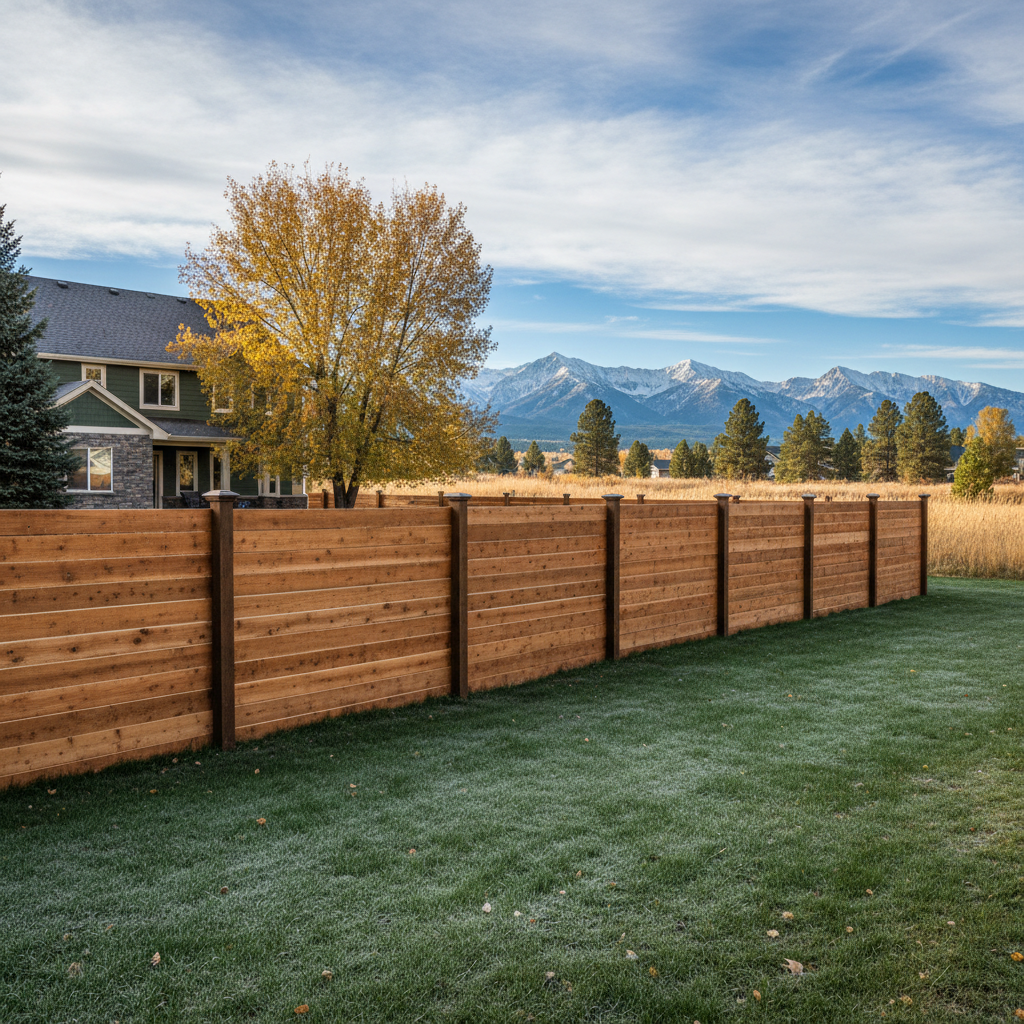
When's the best time to put up a wood fence in Missoula? That's a question I hear a lot, and it's a really good one. Our weather here isn't exactly predictable, and that plays a huge role in how well your fence goes in, and, honestly, how long it lasts. You're putting down good money, so you want it done right, built to stand up to our Montana seasons.
Picking the Right Season for Installation
Look, you can install a fence pretty much any time of year. But some seasons are definitely better than others, especially when we're talking about wood.
- Spring (April-June): This is prime time for fence installation. The ground's thawed out, but it's not usually rock-hard dry yet. We're past the worst of the deep freezes, and while we get our share of spring showers, it's generally good digging weather. The wood has time to settle before the intense summer sun hits it, and before the ground really dries out and gets tough to work with.
- Summer (July-August): Hot and dry. Digging post holes can be a real bear when the ground's baked solid. If we hit a drought, that clay soil we have around areas like the Rattlesnake can turn into concrete. It's doable, sure, but it often takes more effort and sometimes specialized equipment to get those posts deep and solid. Plus, wood can warp or check (crack) faster if it's installed and immediately exposed to intense, dry heat without a chance to acclimate or be treated.
- Fall (September-November): Another great window. Temperatures are cooler, the ground's usually still workable, and the rush of summer construction starts to slow down a bit. You're getting your fence in before the really cold weather hits, giving the concrete for the posts plenty of time to cure properly before it freezes solid.
- Winter (December-March): This is the trickiest. Digging through frozen ground is a nightmare. It's slow, expensive, and sometimes impossible to get posts deep enough without serious equipment that drives up the cost. Concrete also cures much slower in cold temperatures, and if it freezes before it's fully cured, it loses strength. We can do it, but it's usually reserved for emergency repairs or if you absolutely can't wait. You're much better off planning ahead.
So, if you're asking me, aim for spring or fall. You'll get better conditions, often a smoother installation process, and it's generally better for the longevity of the fence itself.
Weather Conditions and Your Wood Fence
It's not just the season; it's the specific weather on any given day. Here's what we're always thinking about:
- Rain: A little rain isn't a deal-breaker, but heavy, prolonged rain can turn a job site into a muddy mess, making digging difficult and unsafe. It can also affect how concrete sets. If we're staining or sealing, we absolutely need dry conditions.
- Temperature: Extreme cold means frozen ground and slow concrete curing. Extreme heat can make wood more prone to splitting during installation and can be tough on the crew. We're always watching the forecast.
- Wind: High winds make it dangerous to work with long fence panels, especially if we're up on ladders. It's a safety issue, and can lead to crooked fences if not handled carefully.
We're always monitoring the forecast when we schedule jobs at Missoula Fencing Company. Sometimes, we have to adjust. It's not because we're lazy; it's because we want to do the job right and safely, ensuring your fence stands strong for years.
Protecting Your Investment Year-Round
Once that beautiful wood fence is up, your job isn't over. Missoula's climate, with its hot, dry summers and cold, wet winters, is tough on wood. Here's how to keep it looking good and lasting longer:
- Seal or Stain Regularly: This is probably the most important thing you can do. A good quality stain or sealant protects the wood from UV rays, moisture, and rot. I usually recommend re-applying every 2-5 years, depending on the product and how much sun exposure your fence gets. Don't skip this, especially on the top rails and post caps where water tends to sit.
- Keep it Clean: Dirt, mildew, and moss can build up, especially on the north-facing side of your fence or in shady areas. A gentle wash with a hose and a soft brush, or a very low-pressure power washer (be careful not to damage the wood fibers!), can make a big difference.
- Trim Vegetation: Keep bushes, trees, and vines from growing directly on or into your fence. They trap moisture, encourage rot, and can provide pathways for pests.
- Check for Damage: After big storms, or just a couple of times a year, walk your fence line. Look for loose boards, wobbly posts, or signs of rot. Catching small problems early can prevent them from becoming big, expensive repairs. Pay attention to the bottom of the posts where they meet the ground – that's a common spot for rot to start.
- Address Drainage: Make sure water isn't pooling at the base of your fence posts. Good drainage around the fence line helps prevent premature rot.
A little proactive care goes a long way. Your wood fence isn't just a boundary; it's part of your home's curb appeal and security. Treat it well, and it'll serve you for decades.